

When it comes to straightening your teeth, you have various options to consider. One increasingly popular choice is Invisalign, often marketed as a convenient and aesthetic alternative to traditional braces. But is Invisalign truly worth the investment? This blog aims to provide an in-depth understanding of various aspects of Invisalign, such as its cost, effectiveness in complex cases, maintenance, potential DIY mistakes to avoid and long-term benefits.
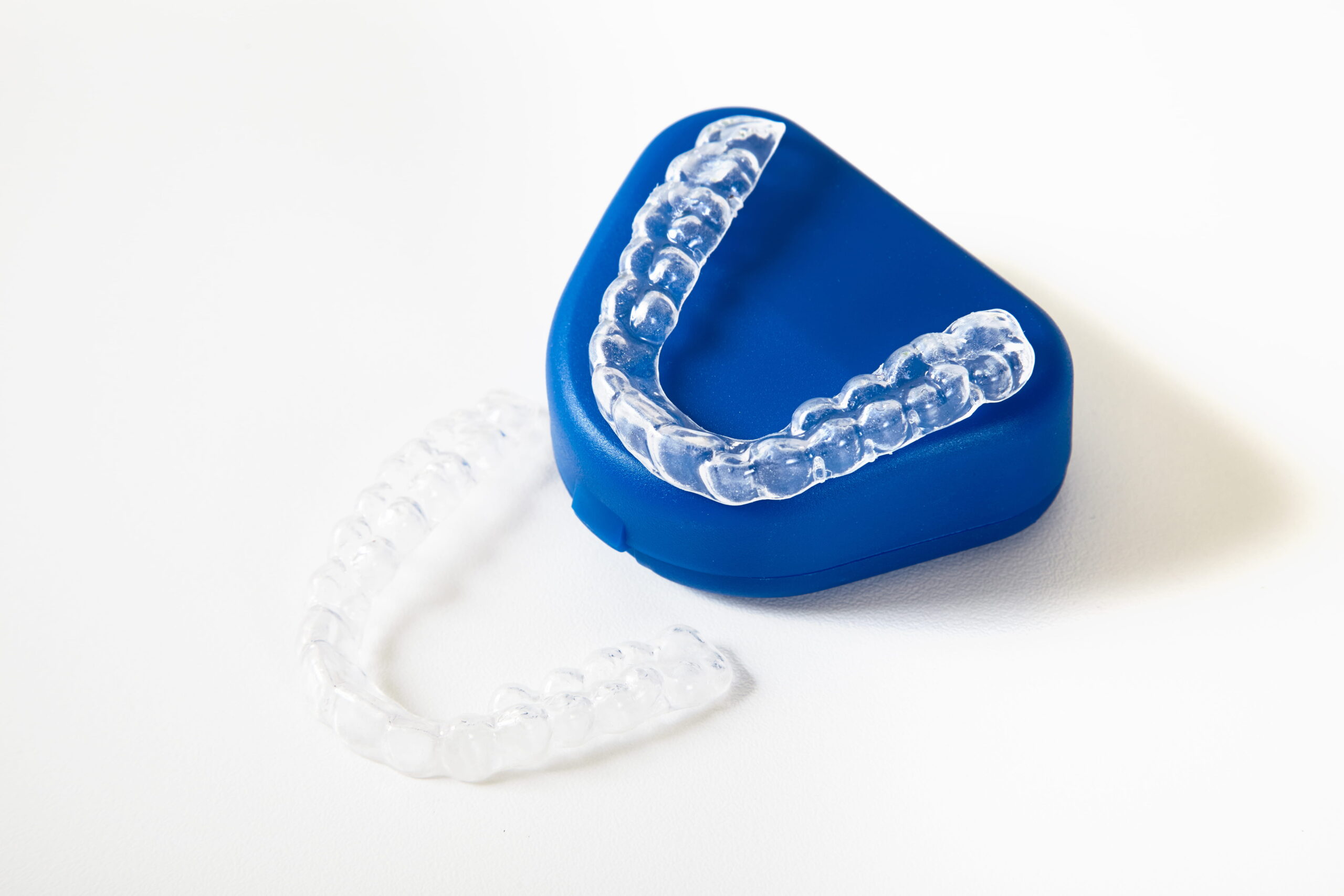
The Cost-Benefit Analysis of Invisalign versus Traditional Braces
Financial Aspects
- Upfront Cost: The initial outlay for Invisalign is generally higher compared to traditional braces (but not always). You can also explore payment plans to make treatment more manageable.
- Maintenance Cost: Invisalign usually requires fewer office visits for adjustments, which can save time and may potentially result in fewer overall costs.
- Insurance Coverage: Coverage varies depending on the policy and it’s advisable to consult with your insurance provider for both treatment options.
Comfort and Aesthetics
- Physical Comfort: Invisalign aligners are made of smooth plastic, which is generally less abrasive to the mouth compared to metal wires and brackets used in dental crowns or traditional braces.
- Visibility: Invisalign’s clear aligners are nearly invisible, whereas traditional braces are more conspicuous, which can be a factor for those concerned about aesthetics. For more information on clear aligners, see our post on how clear aligners can help restore your smile.
- Eating Habits: Invisalign aligners are removable, allowing for a wider range of food choices. Traditional braces come with restrictions on certain foods that might break or dislodge the brackets. For tips on maintaining oral health during orthodontic treatment, check out routine teeth scaling and cleaning.
The Effectiveness of Invisalign in Complex Dental Cases
Overcrowding
For moderate cases of overcrowding, Invisalign is usually considered a viable treatment option. Even some cases of severe overcrowding can be treated by Invisalign. Learn more about corrective dental solutions, such as dental bridges.
Overbites and Underbites
While Invisalign can correct mild to moderate overbites and underbites, some severe cases may require additional interventions such as surgery.
Maintenance and Convenience: Life with Invisalign
- Cleaning the Aligners: Requires a daily regimen. See our guide on caring for your gums and oral hygiene tips.
- Wearing Time: Recommended to be worn for 20-22 hours per day.
- Changing Aligners: Usually changed every 1-2 weeks.
In terms of lifestyle, Invisalign aligners can be removed for short periods, allowing for easier eating and oral hygiene. However, they must be worn for the majority of the day to be effective, which requires commitment from the wearer. For additional insights, see our category on clear aligners.
Mistakes to Avoid When Using Invisalign
- Not Following Wear Time: Not wearing the aligners for the recommended time can delay treatment and compromise results.
- Improper Cleaning: Although oral hygiene can be maintained easily compared to traditional braces, failure to clean aligners properly can lead to oral health issues.
Following the guidelines for maintaining and wearing your Invisalign aligners is essential. Negligence can lead not only to ineffective treatment but also to potential oral health problems, such as gum disease or side effects of neglecting teeth.
The Long-term Benefits of Opting for Invisalign
In the long term, Invisalign offers benefits such as improved oral hygiene due to easier cleaning and a lower risk of gum irritation. The aesthetic appeal of Invisalign aligners can also contribute to greater self-confidence.
Take the First Step Towards Your Ideal Smile
Here at Pain Free Dental Clinic, we know that every smile is unique, just like the individuals who wear them. If you’re contemplating whether Invisalign is the right choice for you, don’t leave it to guesswork. Reach out to schedule your appointment today!
Latest Posts
